7 August 2026
Why the Monday meeting still gets a printed sheet
Projector glare and a laptop at the end of the table are a weak place to argue about last year. A sheet that can take a pencil mark is a better one.
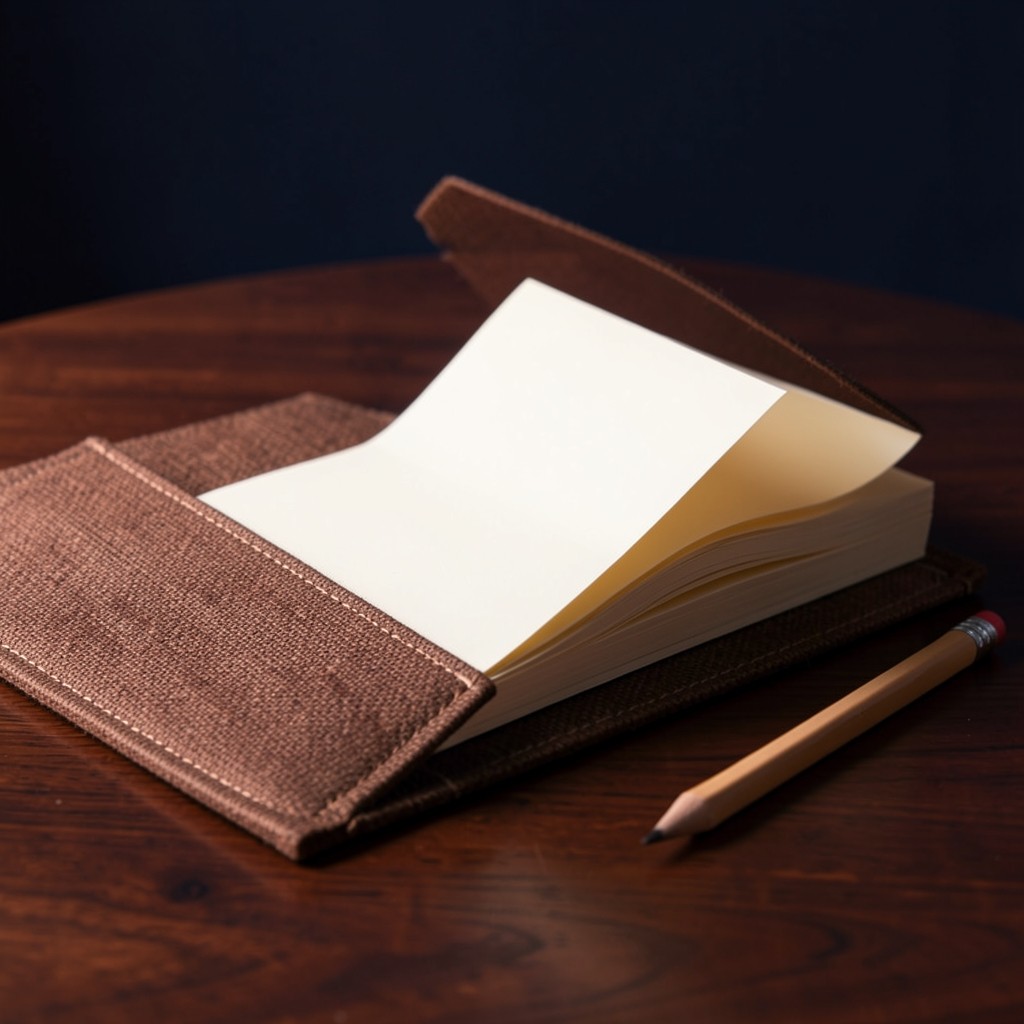
We still bind the reading. The cloth folder is not a souvenir. In a Monday meeting the person with the laptop becomes the narrator, and everyone else waits for the next slide. A printed A3 foldout on the table lets a second person point at last year’s column without asking for the clicker.
Pencil marks are part of the record
Clients mark the sheets. A circle around a week, a question mark on a channel, an arrow toward a figure they want recomputed. Those marks are why the paper is large and the ink is dark enough to survive a pencil. After the meeting, the marked set is the one the client keeps. We do not reprint their handwriting away unless they ask.
Screens still have a job. When someone disputes a source figure, the original table is opened on a laptop so the cell can be checked. Then the room returns to the sheet. The laptop is the archive. The sheet is the argument.
What we refuse to print
We will not print a chart whose comparison period is still unsettled, and we will not print a guess in the same ink as a sourced figure. Guesses, if the client insists on seeing them, go in pencil on a tissue overlay, so they cannot be mistaken for the record. That habit has saved more meetings than a finer typeface ever did.
If your meeting is in a room that cannot take a large sheet, tell us when you book. We can bind a smaller copy, but the presentation itself is happier when at least one large sheet is on the table.